


Fall on the Road: A Driver’s Guide to Shorter Days and Deer Season From PTP Transport
November brings some of the toughest driving conditions of the year. The sun now sets before many truck drivers finish their routes and deer season is in full swing. Awareness, attention and a safety mindset for PTP and all truck drivers are more important than ever.

November Demands Extra Attention
State Farm ranks November as the most likely month for collisions with deer and other large animals, followed by October and December. At the same time, daylight saving time ended on November 1, so routes that were completed in daylight a few weeks ago now end in the dark. More deer on the move and less light to see them is a risky combination, especially on highways and interstates across the Southeast.

Shorter Days: Adjusting to the Dark
Losing an hour of evening light changes more than visibility. Drivers who were used to finishing in daylight are now on the road during the hours when the body naturally begins to slow down. Darkness and fatigue together shorten reaction time, and drivers need every second of it after sunset. The first few weeks after the time change are a good time to adjust sleep schedules, plan breaks and pay closer attention to how alert you feel behind the wheel.
Deer Season: Know When and Where to Look
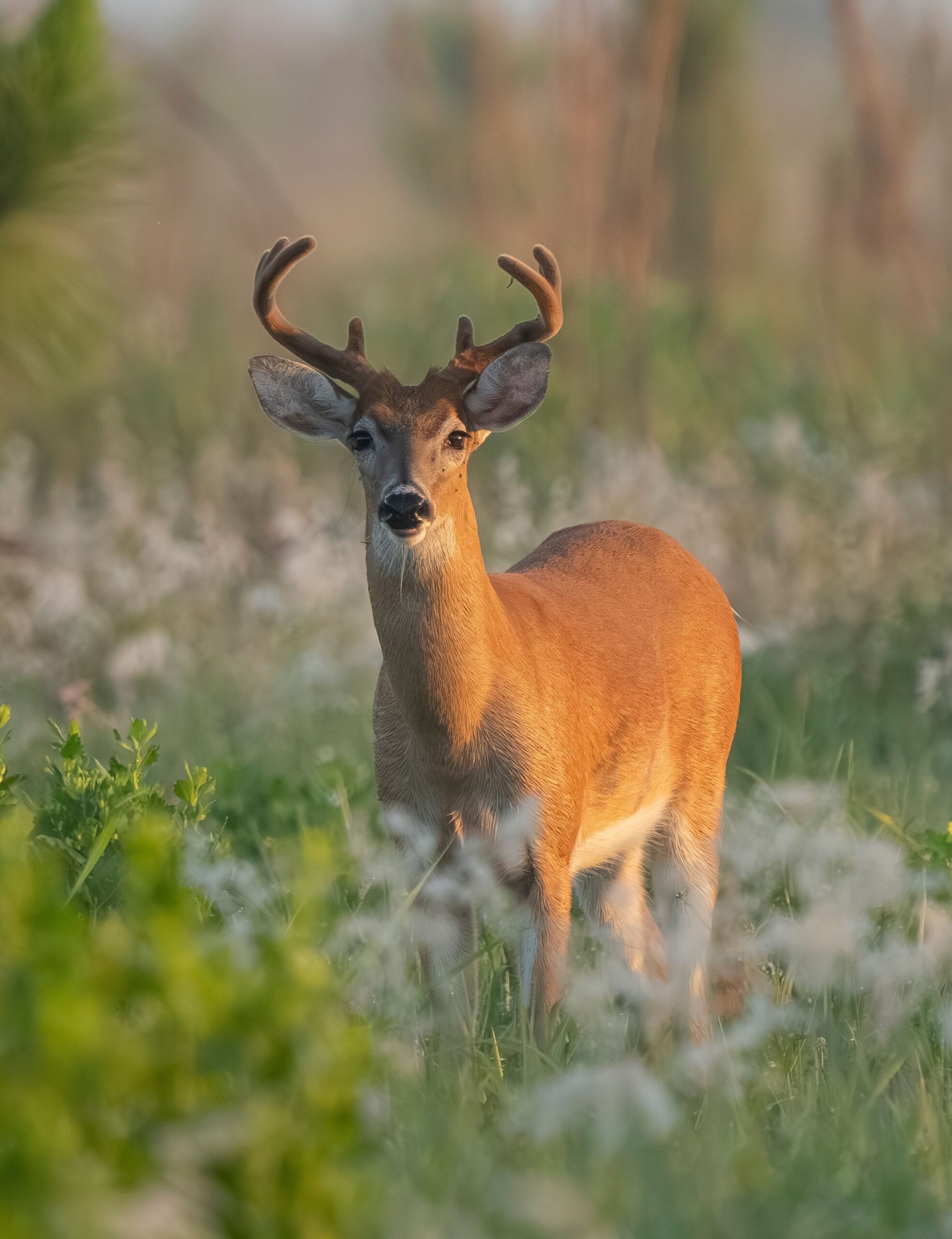 Deer are most active around dawn and in the early evening, roughly between 6 and 9 p.m. According to State Farm, the most common setting for an animal collision is a paved rural road with light traffic just before full dark. Deer also rarely travel alone. If one crosses in front of you, expect others to follow.
For a loaded tractor-trailer, the safest reaction is usually the simplest one. Swerving to miss a deer can send a truck across the center line, onto a soft shoulder or into a rollover. Braking firmly in a straight line and staying in your lane protects you, your load and the motorists around you.

Finish the Year With a Safety Mindset
Close out 2026 with a clean driving record.
- Slow down at dawn and dusk. Speed leaves less time to react. State Farm reports that risky behavior such as speeding or using a phone raises the chance of an animal strike by 23 percent.
- Use high beams when it’s safe. On open roads with no oncoming traffic, high beams pick up eyes and movement along the shoulders sooner.
- Brake, don’t swerve. Stay in your lane, brake firmly and keep the truck under control.
- Keep lights and glass clean. Check headlights, marker lights, mirrors and the windshield during every pre-trip inspection.
- Rest on schedule. Take your breaks, adjust your sleep to the earlier sunset and never push through fatigue.
- Report every strike. If you hit a deer, move to a safe spot if you can, turn on your hazards and call dispatch. Every incident gets documented and the truck gets inspected before the next load.
PTP Cares About Our Drivers’ Safety
All PTP drivers participate in our ongoing employee safety training program. Safety is emphasized and helps ensure each driver and load arrives at its destination safely.

At PTP Transport, we’re committed to helping our drivers succeed on the road and beyond. Visit our website to learn more about driving for PTP and browse our open positions.