


Operation Safe Driver Week 2026, July 12-18
Safe Driving To Protect All Drivers, Pedestrians and Passengers
The Commercial Vehicle Safety Alliance (CVSA) has designated July 12-18 as this year’s Operation Safe Driver Week, a safe-driving enforcement and outreach initiative aimed at improving driving behaviors through education, traffic-enforcement strategies and driver interactions with law enforcement.
Why Is Operation Safe Driver Week Important?
Operation Safe Driver Week promotes safe driving behaviors to protect all drivers, pedestrians and passengers from becoming injured or killed in a vehicle accident.
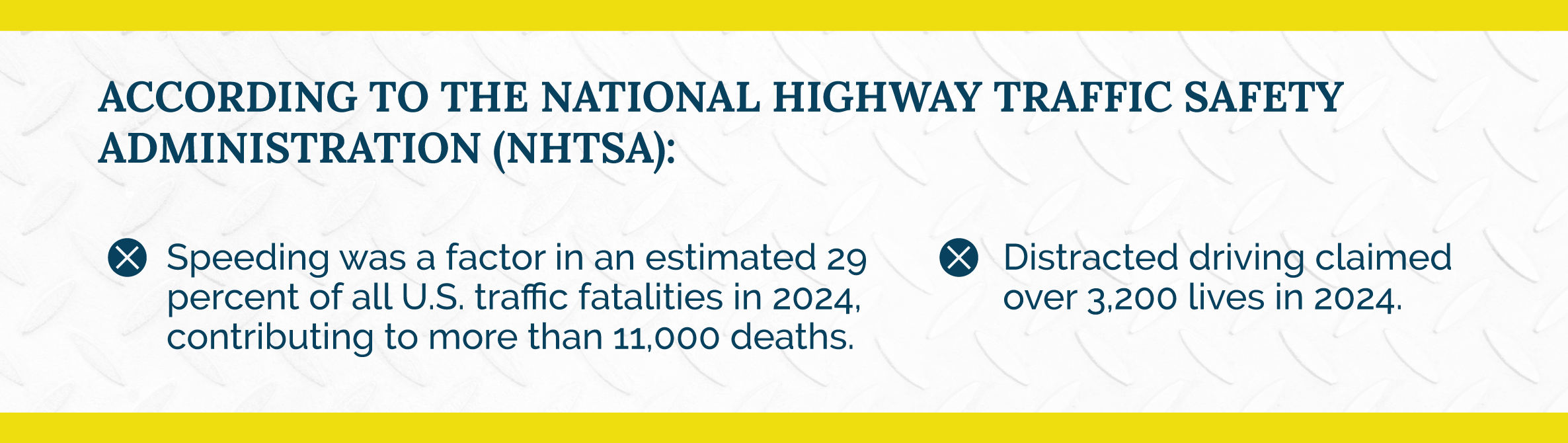
During last year’s Operation Safe Driver Week, officers issued more than 3,200 warnings and 1,800 citations to commercial motor vehicle drivers alone, with speeding as the top cited violation. Larger trucks pose a greater risk because they are heavier, bigger and more challenging to control than typical passenger vehicles. When large trucks speed and subsequently crash, the damage inflicted is severe.
Operation Safe Driver Week Focuses On Reckless, Careless or Dangerous Driving
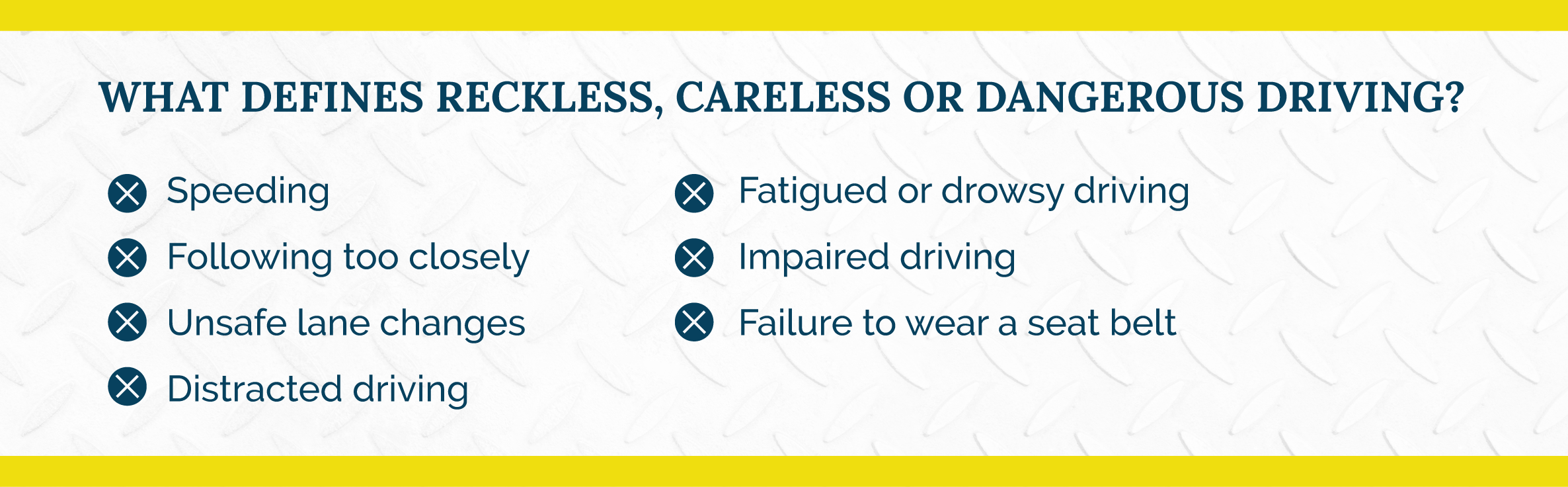
From July 12-18, 2026, law enforcement in the United States, Canada and Mexico will intensify their focus on identifying and addressing unsafe driving behaviors by both commercial and passenger drivers. For the third consecutive year, the focus area of Operation Safe Driver Week is reckless, careless or dangerous driving.
Anyone engaging in unsafe driving will be pulled over and given a warning or citation. Citations issued during Operation Safe Driver Week carry real consequences beyond the week itself. Driver-related violations feed directly into the FMCSA’s Safety Measurement System and can affect a carrier’s Unsafe Driving BASIC score for up to 24 months, which in turn can influence inspection frequency and insurance costs.
Any person who drives with willful disregard for their own safety and that of other people or property is driving recklessly. Careless or dangerous driving involves operating a vehicle without reasonable consideration for other motorists or people on the road, whether or not the behavior is intentional. Common major distractions for commercial drivers are talking on the phone, fatigue and daydreaming, all of which raise the risk of an accident.
How Drivers Can Prepare For Operation Safe Driver Week
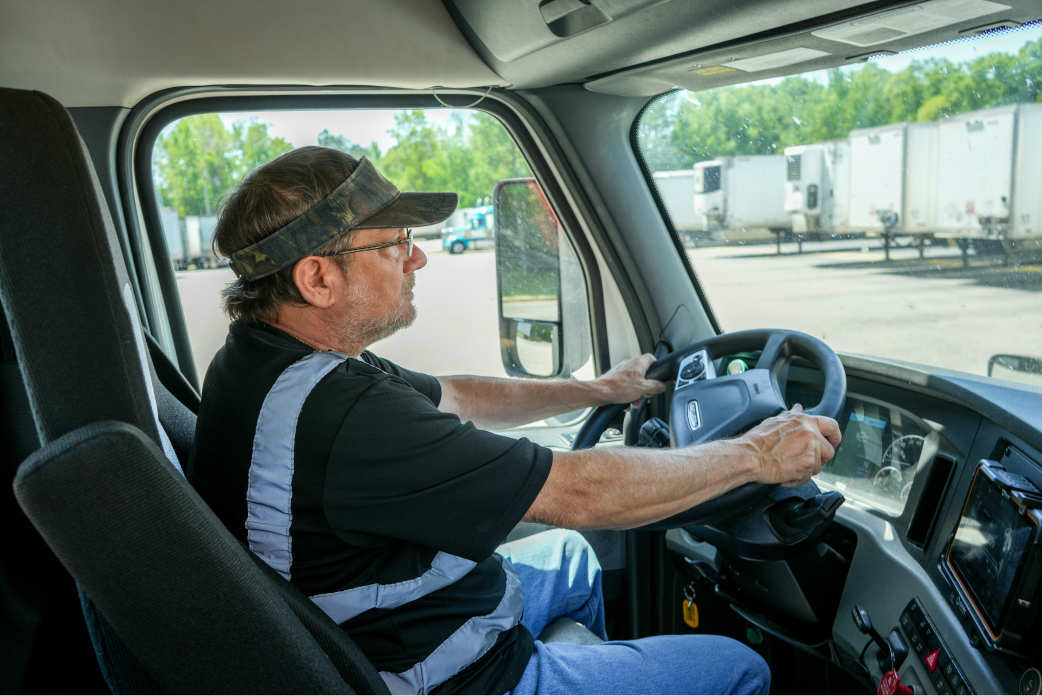
Avoiding citations during Operation Safe Driver Week comes down to the same habits that keep drivers safe every week of the year.
Obeying posted speed limits, especially in work zones and high-traffic corridors. This matters most since speeding remains the top reason commercial drivers receive citations and warnings during the campaign.
Wearing seat belts. An estimated 14 percent of commercial drivers still don’t buckle up, and seat belt violations were the second most cited offense during last year’s Safe Driver Week.
Avoid distractions. Eating, reaching for a phone or programming a GPS while driving all pull attention away from the road, and using a handheld device behind the wheel of a commercial vehicle remains a violation of federal law.
Don’t follow too closely. Drivers should also keep a safe following distance, generally at least one second for every 10 feet of vehicle length at speeds of 40 mph or below, with extra room added in poor weather, heavy traffic or higher speeds.
Fatigue and impairment round out the list of behaviors law enforcement will be watching for. Getting adequate rest before a shift, and never driving after drinking or using prohibited drugs, protects both the driver and everyone else on the road.
Be a courteous driver. Simple courtesies also go a long way, from using a turn signal before changing lanes to avoiding aggressive moves like cutting off another driver.
Drivers should continue to obey all traffic control devices, including low-clearance warnings, weight-restricted bridges and truck lane restrictions.
PTP Transport Values Safety
No matter how many years of experience our drivers have on the road, when they join the PTP Transport team, each driver undergoes a comprehensive training program to review company policy, procedures, common safety issues and Federal Motor Carrier Safety Administration rules. These procedures are reviewed regularly to allow for timely updates and to incorporate feedback from team members. To learn more about our safety culture, visit our website. If you are interested in joining the PTP team, we would love to hear from you. Learn more about driving for PTP Transport.